Loading post...
Please wait
October 2, 2025
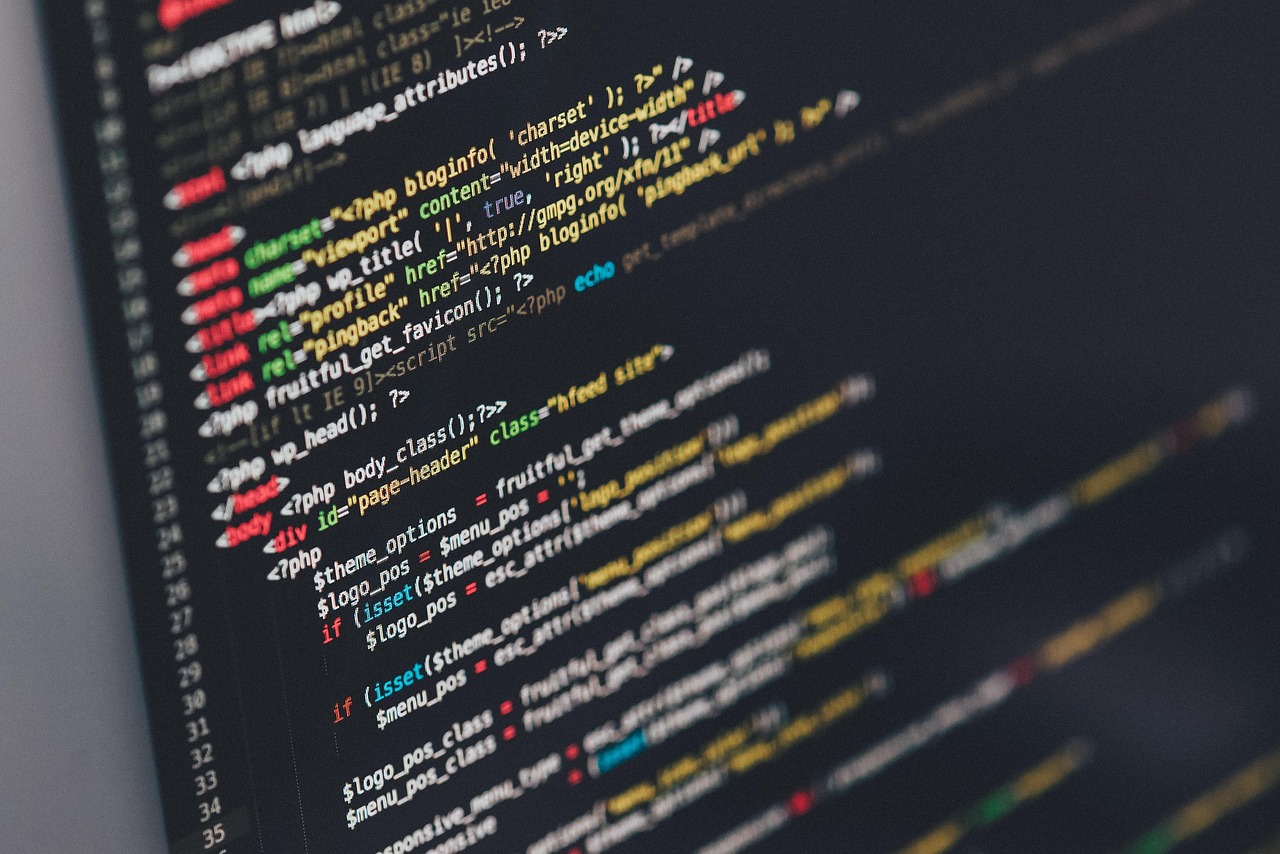
After more than a decade in software development, we've learned lessons that fundamentally changed how we approach our craft. These insights took us years to discover, but we're sharing them with you today—because we believe every software engineer deserves to know what really matters beyond the code itself.
We can't stress this enough: clear, descriptive commits are absolutely vital. They serve as our reference for debugging and understanding code history, even years down the line. Think about it—when was the last time you thanked your past self for writing a detailed commit message?
Vague commit messages like "fix: make it work" or "updated stuff" are worse than useless. They're breadcrumbs that lead nowhere when we're desperately trying to understand why a piece of code exists or what problem it solved. We've spent countless hours tracing through git history, only to hit dead ends because of poor commit messages.
The links between commits and detailed pull requests have saved us hours—sometimes days—in debugging and maintenance. When we write commits, we're not just documenting changes; we're creating a narrative that our future selves (and our teammates) will deeply appreciate.
Pro tip: Treat every commit message as if you're explaining your changes to a colleague who'll review them in six months. Because that colleague might just be you.

Here's an uncomfortable truth we've learned: technical debt is inevitable. It always returns, and it always returns with interest. Fighting this reality only leads to frustration and unrealistic expectations.
The key isn't avoiding technical debt—it's managing it consciously. When timing or business needs demand rapid solutions, we accept technical debt. But we never do it silently. We document it explicitly in our commits and pull requests, explaining why we chose the quick solution and what would need to change for a proper implementation.
This documentation is gold. It allows future refactoring to happen safely and with full awareness of the original intent. We've seen teams struggle for weeks trying to refactor code they didn't understand, simply because the technical debt wasn't marked clearly.
We live by this principle: always leave the code better than you found it. Even small improvements add up over time. Refactoring shouldn't be a massive, scary undertaking scheduled once a year. It should be continuous, integrated into our daily work.
After shipping new features, we schedule periodic refactoring sessions. This keeps our codebase healthy and prevents technical debt from compounding into something unmanageable. Learn more about our development practices.

One of the hardest lessons we've learned is this: in dynamic business environments, "if it works, don't touch it" is risky advice. Business needs constantly evolve, and code that "works" today might become a bottleneck tomorrow.
We've found that clearly defining expectations and negotiating technical debt upfront saves enormous headaches later. Regular, focused meetings about expectations and technical debt aren't overhead—they're essential investments that save development time in the long run.
These conversations prevent the dreaded scenario where stakeholders expect immediate new features while we're drowning in technical debt that makes any change risky and time-consuming.
This insight transformed how we write code: prioritize readability and understandability for current and future developers, not just for machines.
Clever code might make us feel smart in the moment, but clarity is what truly matters. When we minimize the mental effort required to understand our code, we free up cognitive resources for meaningful progress—building features, implementing improvements, and solving real problems.
Every time we write code, we ask ourselves: "Will someone (including future me) understand this at 3 AM during an incident?" If the answer is no, we refactor until it's yes.

Here's a humbling reality: there are only two types of developers—those who have broken production and those who will.
Mistakes and incidents are inevitable in software engineering. We've all been there—that sinking feeling when you realize your code just caused an outage. What separates great developers from average ones isn't avoiding mistakes; it's how they react to and learn from them.
We treat postmortems as sacred. After every production incident, we conduct a blameless postmortem that documents:
These documents become institutional knowledge. They're learning opportunities that make our entire team stronger and our systems more resilient. Explore our approach to software reliability.

Technical skills matter, but here's what we've discovered: collaboration, empathy, and clear communication define a software engineer's success and reputation far more than technical prowess alone.
We've worked with brilliant developers who could solve complex algorithmic problems in their sleep but struggled to explain their solutions or collaborate effectively. We've also worked with good (not exceptional) technical developers who became invaluable team members because they:
Teams value helpful, communicative members who facilitate everyone's work. Being approachable and empathetic is often more valuable than mastering the latest framework or design pattern.

One decision has accelerated our professional growth more than any other: committing to continuous learning through reading.
We don't just mean technical documentation or Stack Overflow answers. We mean deep, thoughtful books on programming philosophy, software architecture, team dynamics, and professional development. These resources have shaped how we think about our craft and our careers.
Reading broadly—beyond just code—has given us frameworks for thinking about problems, patterns for recognizing solutions, and wisdom from developers who've walked these paths before us.
These lessons took us over a decade to learn, but you don't have to wait that long. Start today:
Remember, software engineering is as much about people and communication as it is about code. The developers who understand this truth are the ones who build lasting, impactful careers.
What lessons have shaped your journey as a software engineer? We'd love to hear your insights. Connect with us and share your experiences.
Ready to level up your software engineering career? Visit our site for more insights, resources, and practical guidance from experienced developers who've been in your shoes.